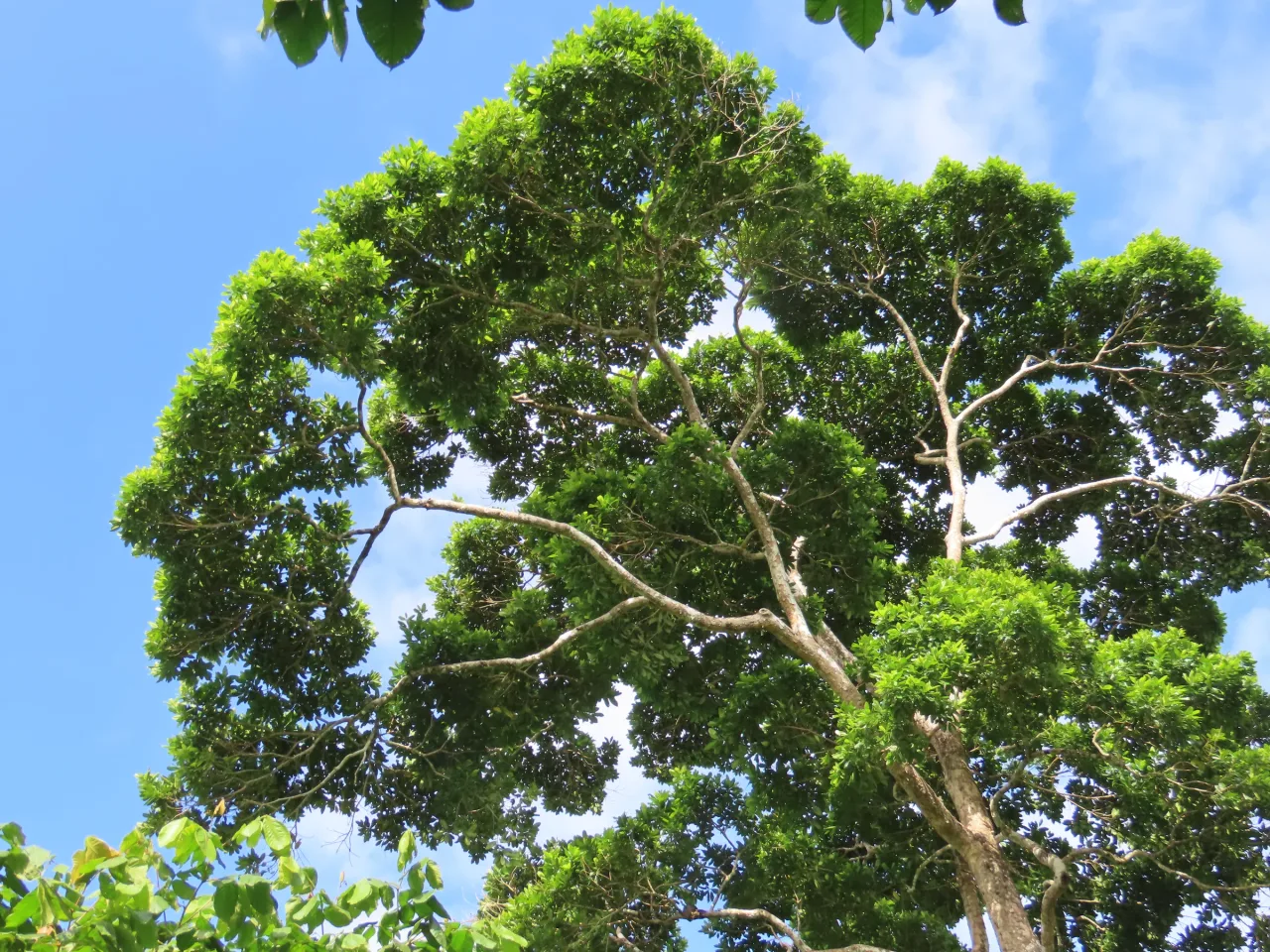
A balance built every day
Teresa and Saúl lead this family initiative through their enthusiasm for nature and rural life.
La Mariola has become our way of life, and one we want to sustain. Every decision about what we grow, how we work and how we welcome visitors seeks a balance between caring for our family, protecting biodiversity and generating income.
Care, production and coexistence
Through agroecology, the farm is managed as a place of care. Producing food, restoring soil, protecting forest and welcoming visitors are all part of the same decision: sustaining La Mariola without disrupting the rhythm of the place.
Diversification
Cacao, fruit trees, a vegetable garden and local hens form part of a diverse, healthy production system that provides food and maintains an everyday relationship with the landscape.
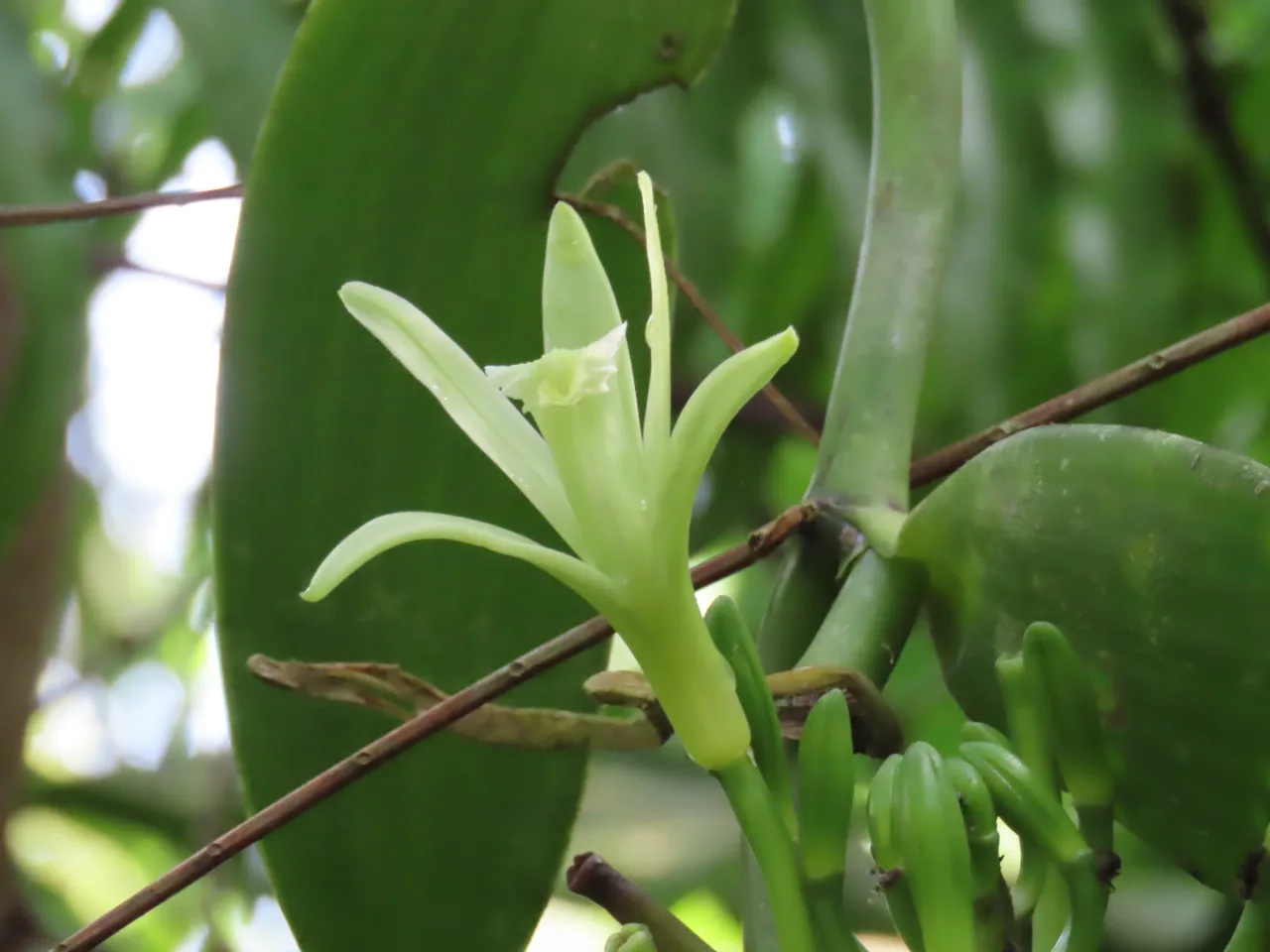
Living soil
Organic fertilizers, biofertilizers, vermicompost and conservation practices help keep the soil alive, retain moisture and support better growing conditions.
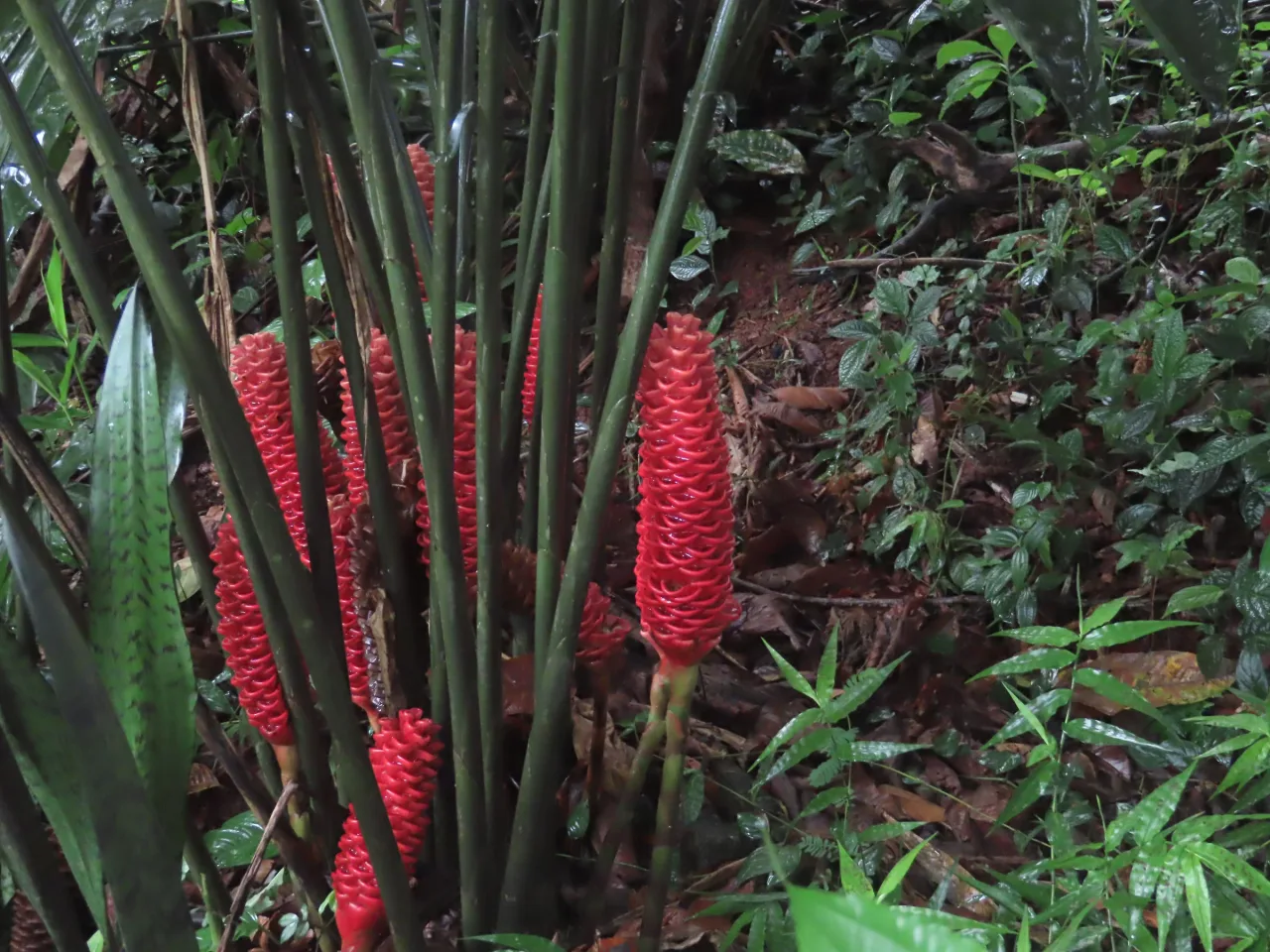
Biodiversity close at hand
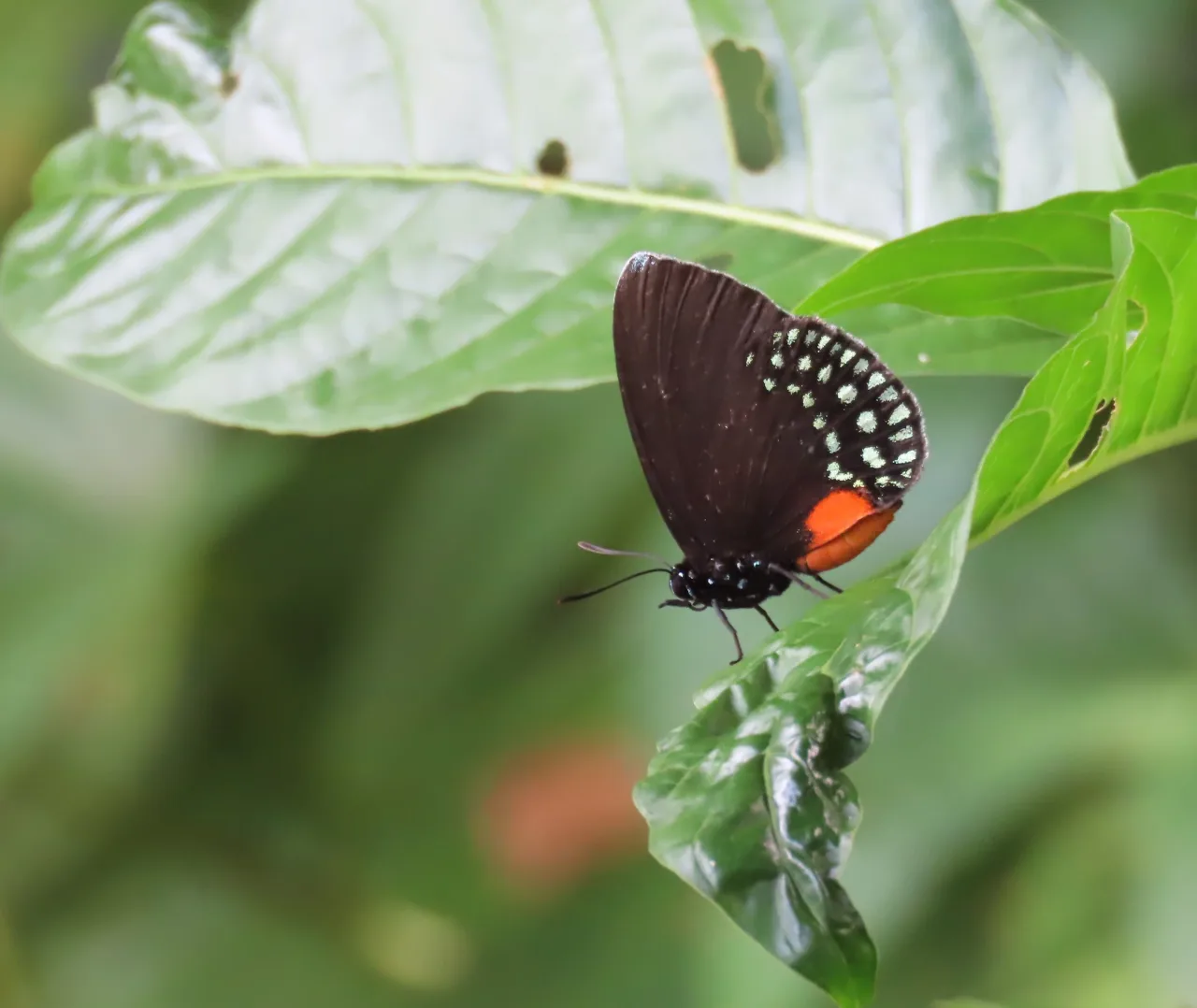
Native bees, gardens and flowering plants provide food and shelter for insects, birds, mammals and other forms of life.
Family scale and local connections
Small-scale visits help sustain family income, maintain personal attention and strengthen relationships with local people and initiatives.
A conservation history
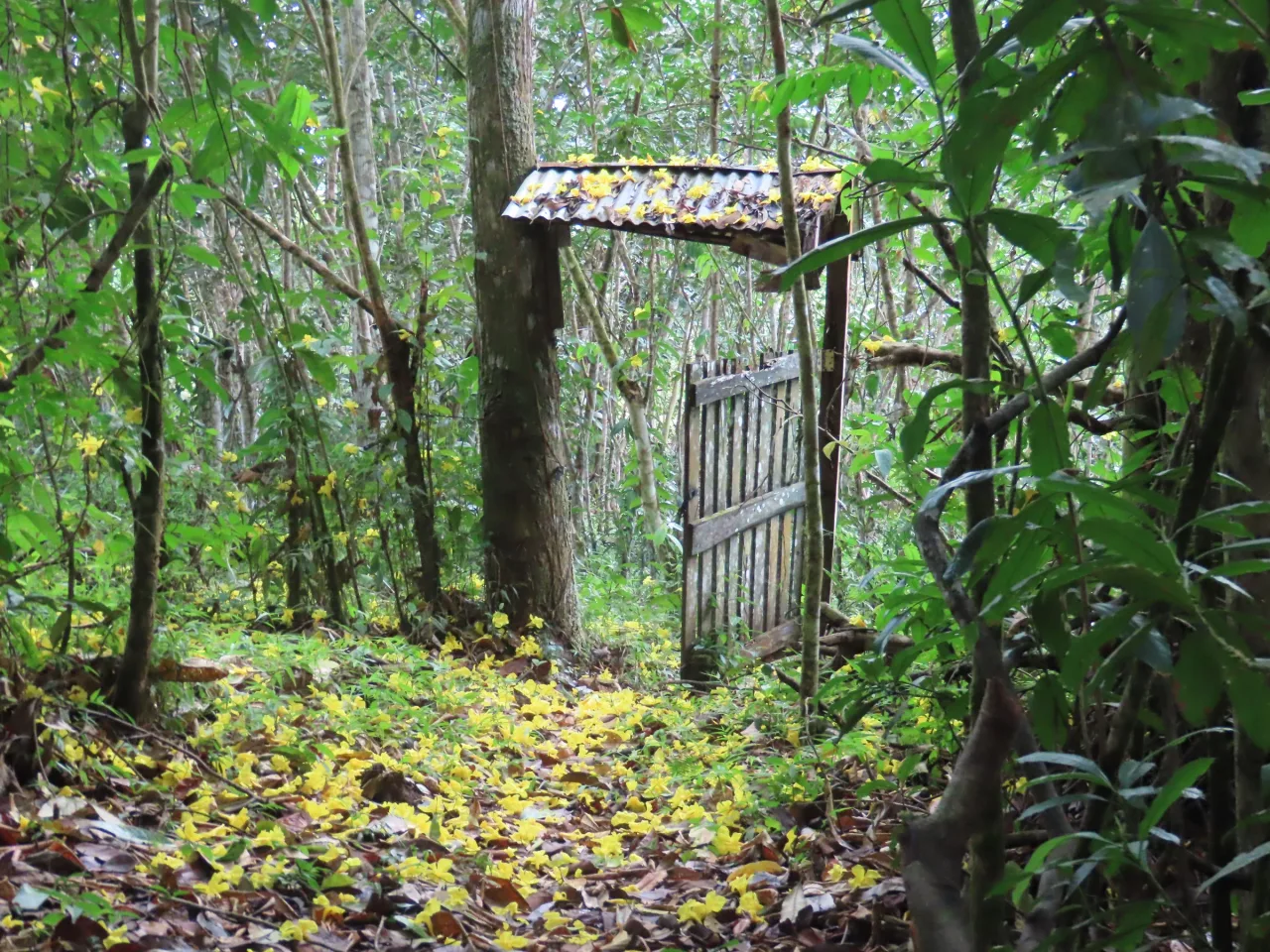
La Mariola’s forest holds part of the agricultural history of southeastern Nicaragua. Valuable timber such as mahogany and cedar was extracted first, followed by other commercially valuable species.
After that period ended, ipecac (Carapichea ipecacuanha) brought a period of intense economic activity to the area. When the plant lost value after its active compounds began to be synthesized, the land was cleared mainly for cattle pasture.
At the beginning of this century, the property was purchased for tourism and placed under protection. When it was later offered for sale again, several cattle ranchers showed interest, but we had the opportunity to acquire it and continue its conservation.
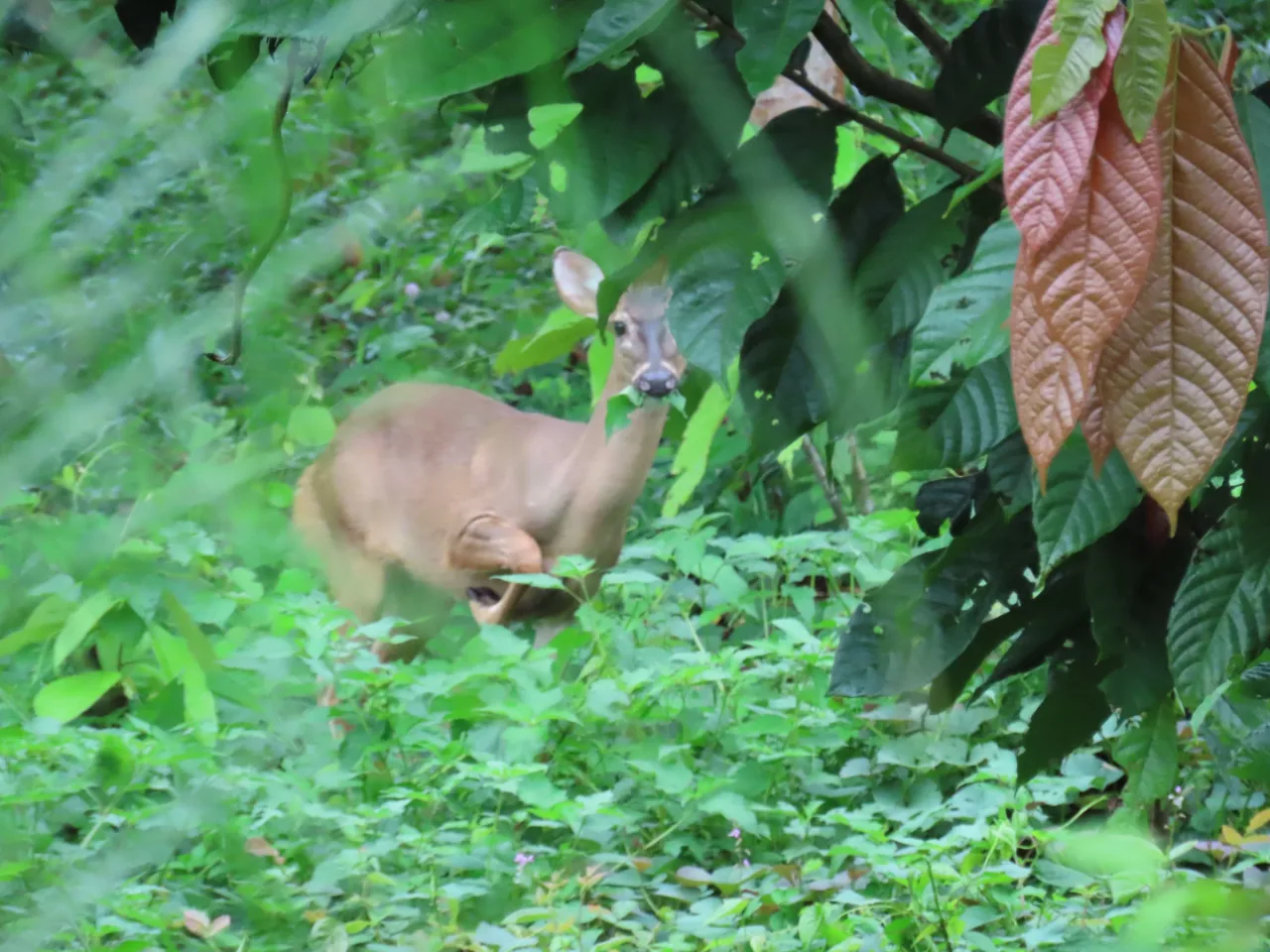
Today, this process sustains water, shade and shelter for many forms of life. A stream rises in the forest, and we have renamed it Agami because of the presence of this heron. Mammals recorded here include the tayra, Brown-throated Three-toed Sloth, White-tailed Deer and Lowland Paca. Some of this biodiversity can be explored through our records on iNaturalist.
Discover La Mariola at an unhurried pace
A stay offers a closer look at the productive areas and the decisions that sustain this place. Depending on the option selected, we can visit the cacao, vegetable garden, native bees or other spaces where daily work takes place.
Conversations help explain how crops, rainfall, flowering and biodiversity activity change throughout the year.
Koldo, Mila and Mariposa, our dogs, are part of La Mariola. They bring us joy, keep us company and watch over the farm.